University / Press center / News / Education / News
The "Guides of Meaning. DNA of Russia" Programme Continues for a Second Day at VSTU
30.09.2026
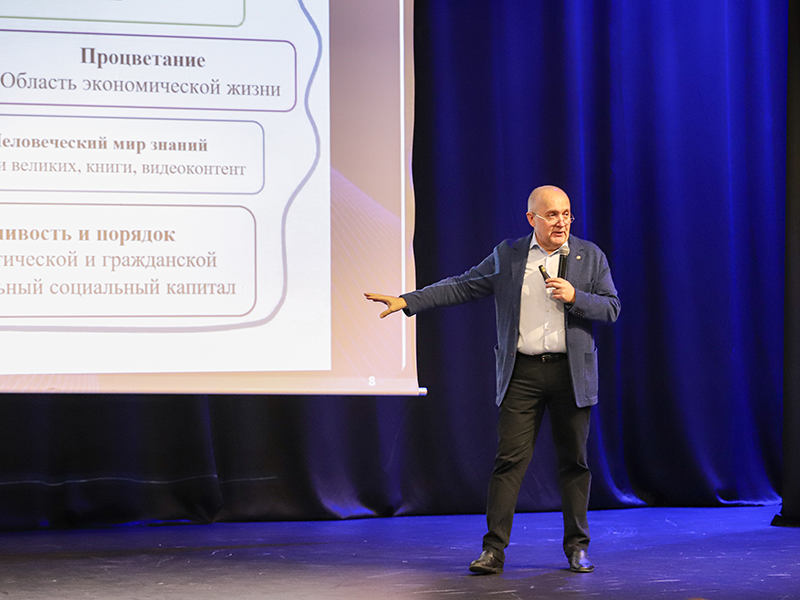
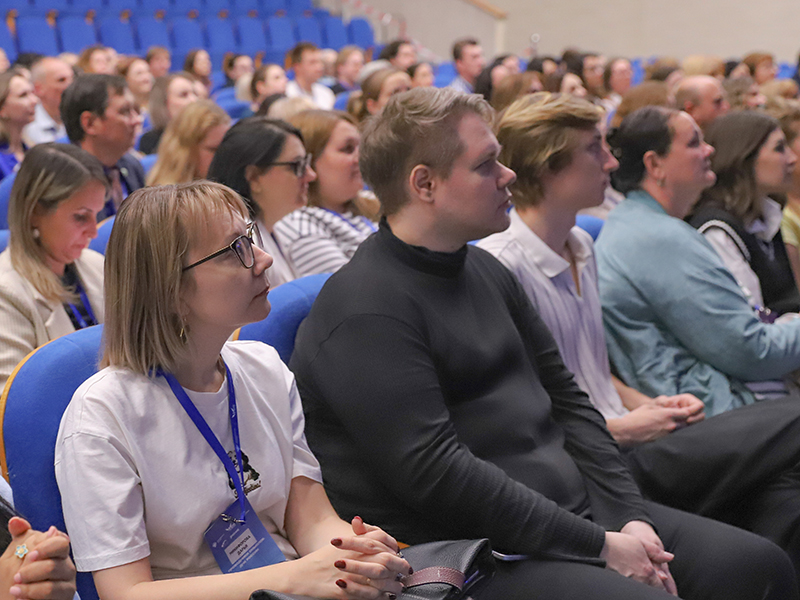
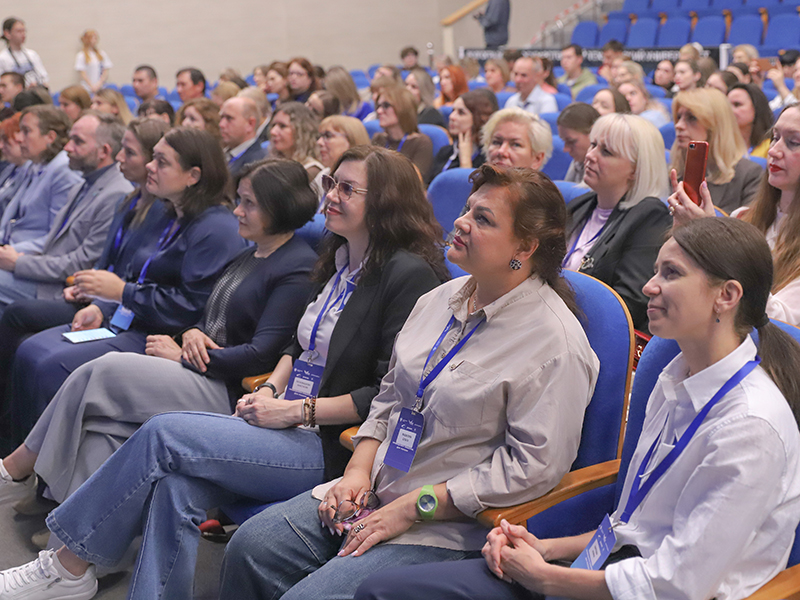
Today, 30 September, participants of the educational programme at Volgograd State Technical University moved on to the second stage of their work — the practical design of values-oriented events. After summing up the results of the first day and setting the tone for the work, V.S. Basyuk, Vice-President of the Russian Academy of Education and Academician of the RAE, delivered a lecture.
Viktor Stefanovich emphasised the importance of integrating learning and upbringing in higher education: "It is very difficult for me to answer the question about separating the processes of learning and upbringing. These processes are so interpenetrating that it is impossible to say: right now, I am teaching, and later I will be educating." The speaker spoke about how the purpose of educational work at a university lies not in declarations, but in giving students the tools to make sense of life, helping them form a stable inner position and civic identity. And here the mediating function of the teacher is extremely important. The teacher becomes a significant adult for the student — a person they trust, and without that trust, upbringing loses its effectiveness. According to the speaker, it is precisely the time spent studying at university that is the key period in the formation of a person's personality.
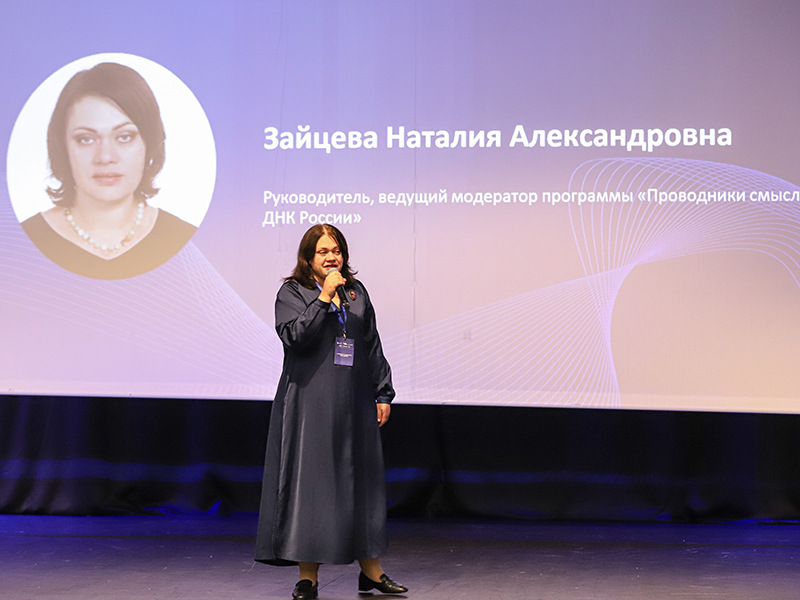
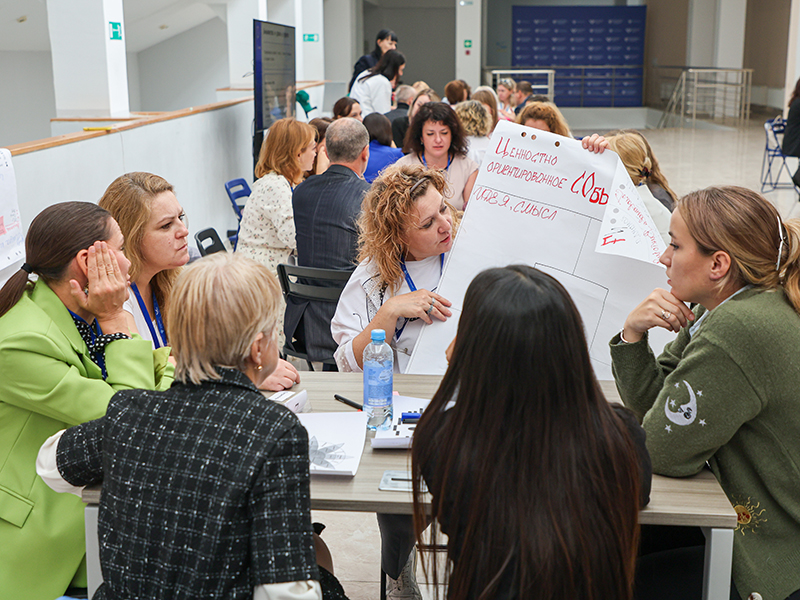
After the lecture, Natalia Zaitseva, head of the "Guides of Meaning. DNA of Russia" programme, led an introductory session for group work on designing events. She emphasised the key role of shared experience: "An event is a jointly lived part of life that leaves a response and emotions. That is precisely why it differs from a mere activity, which is about solving a task or achieving targets." Natalia Alexandrovna spoke about the model of internalising values within an activity-based approach: values become part of a person's inner world only when they actively participate in mastering and making sense of them.
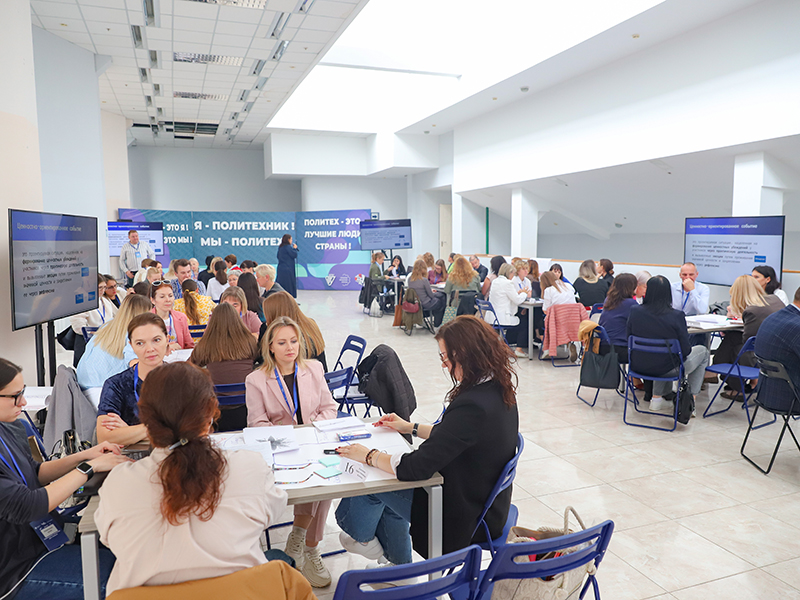
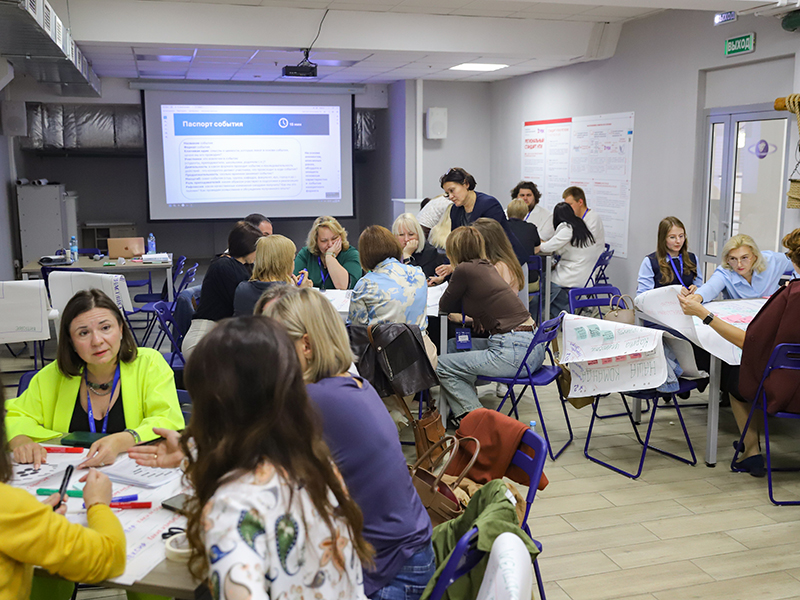
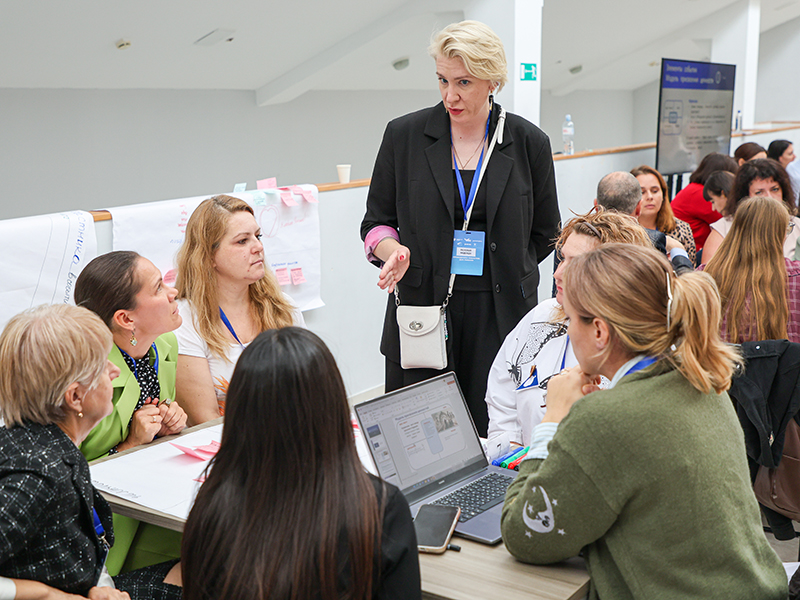
The participants formed groups and began developing projects for values-oriented events that could become part of university culture and help shape a shared system of values among students.
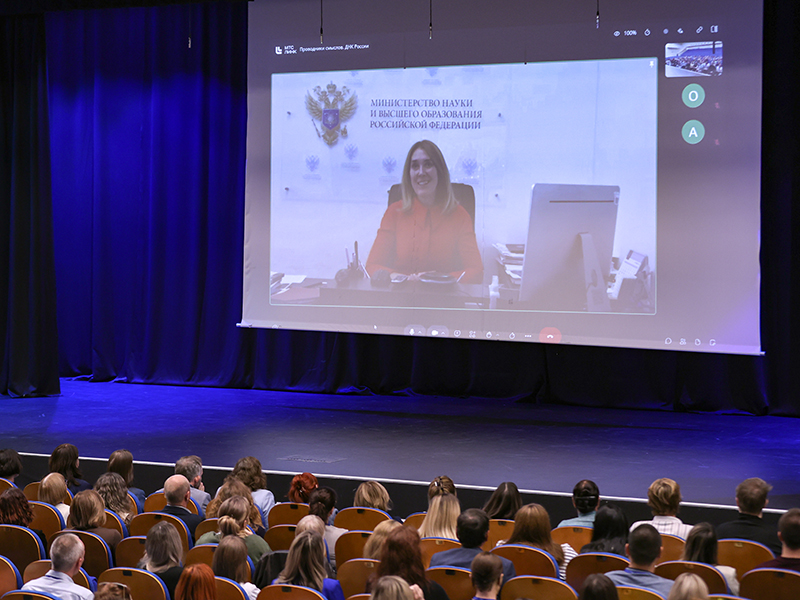
In the afternoon, Deputy Minister of Science and Higher Education of the Russian Federation Olga Petrova rejoined the programme. In her speech, she examined professional communities as conduits of state policy in the sphere of upbringing in higher education, focusing on the role of teachers, management teams, and Clubs of Meaning-Makers in shaping the educational environment of a university. "Universities are now becoming entities that implement state policy in accordance with the challenges facing the country," noted Olga Viktorovna.
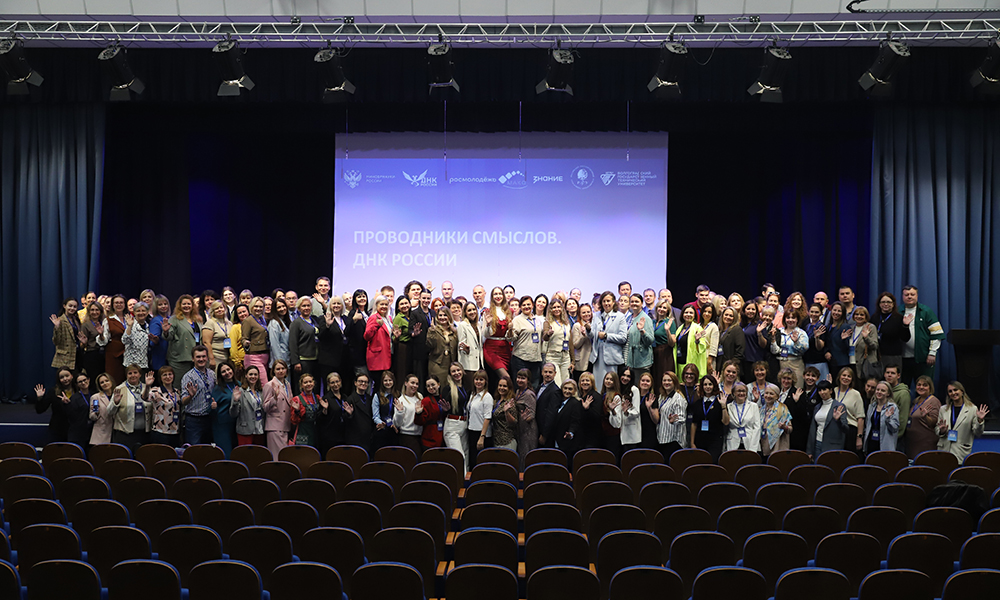
The "Guides of Meaning. DNA of Russia" programme, taking place over two days at VSTU, once again highlighted the importance of a systematic approach to upbringing, reliance on values, and creating conditions for the development of every student through joint activity and trust between teacher and learner.